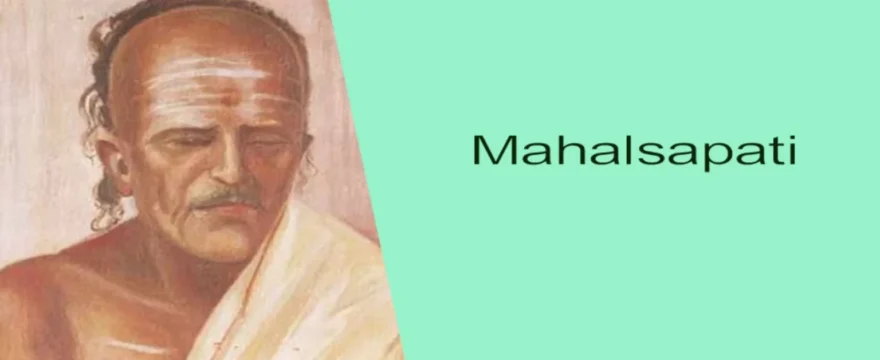
Mhalsapati: The Devoted Disciple of Sai Baba
Introduction
Mhalsapati is a revered figure in the history of Shirdi, known as the foremost devotee of Sai Baba. His unwavering faith, simplicity, and dedication to Baba have made him an iconic spiritual figure. A priest by profession and an ardent follower of Lord Khandoba, Mhalsapati played a significant role in welcoming Sai Baba to Shirdi and serving Him selflessly throughout his life. His association with Baba is one of devotion, surrender, and service, setting an example for devotees across generations.
Early Life and Background
Mhalsapati was born in a small, humble Brahmin family in Shirdi, Maharashtra. He was the priest of the Khandoba temple, a position that had been passed down through generations in his family. Known for his simple lifestyle and deep-rooted faith in God, Mhalsapati lived a life of piety and devotion. His primary occupation was to perform rituals and pujas in the Khandoba temple, and he earned his livelihood through donations given by devotees.
Despite facing financial hardships, Mhalsapati never abandoned his spiritual practices. He spent most of his time engaged in prayer, worship, and the service of God. His sincerity and devotion made him a respected figure in the village of Shirdi.
Meeting Sai Baba
The most significant event in Mhalsapati’s life was his first encounter with Sai Baba. It is said that when Sai Baba first arrived in Shirdi as a young fakir, He chose to rest near the Khandoba temple. Mhalsapati, being the temple priest, was the first to see Him and utter the now-famous words, “Aao Sai!” (Welcome, Sai!). This greeting marked the beginning of an extraordinary spiritual relationship.
Initially, Mhalsapati was skeptical about Sai Baba’s identity. Seeing Baba dressed as a fakir, he wondered whether He was a Hindu or a Muslim. However, as he spent more time in Baba’s presence, he realized Baba was no ordinary man. He recognized Baba’s divinity and surrendered himself at His feet, becoming one of His closest disciples.
Devotion and Service to Sai Baba
Mhalsapati’s life took a new direction after he accepted Sai Baba as his Sadguru. From then on, he spent most of his time in Baba’s service, often sitting by His side and engaging in deep conversations about spirituality. His devotion was unparalleled—he never left Baba’s presence, even during difficult times.
Despite his financial struggles, Mhalsapati refused to accept any material wealth or comforts from Baba. He preferred to live a life of simplicity and austerity, focusing solely on his spiritual journey. Baba, in turn, often tested Mhalsapati’s devotion, yet he remained steadfast in his faith.
One of the most significant instances of his devotion was when Sai Baba once asked him to sleep in the mosque. As a staunch Hindu priest, it was against his customs, but he obeyed Baba’s command without hesitation. This act of surrender demonstrated his complete faith in Baba’s teachings, which transcended religious boundaries.
Key Incidents with Sai Baba
Several incidents highlight the deep bond between Mhalsapati and Sai Baba. Here are a few notable ones:
1. The Three Days of Samadhi
Once, Sai Baba went into a deep state of Samadhi for three days, and many people thought He had passed away. However, it was Mhalsapati who sat beside Him without losing faith. He did not allow anyone to cremate Baba’s body, insisting that Baba was still alive. After three days, Baba regained consciousness, proving Mhalsapati’s unwavering belief in His divinity.
2. The Nightly Vigil
Mhalsapati had the unique privilege of staying with Baba at night. While others would leave after the evening prayers, he remained with Baba in the Dwarkamai mosque. This special association allowed him to witness Baba’s nightly routines, prayers, and meditative states, further deepening his spiritual connection.
3. Baba’s Final Moments
When Sai Baba attained Mahasamadhi in 1918, Mhalsapati was one of the few devotees present. It is said that Baba took His last breath while resting His head on Mhalsapati’s lap, signifying the deep bond they shared. Even after Baba’s passing, Mhalsapati continued to follow His teachings and spread His message of love and devotion.
Mhalsapati’s Later Years
After Sai Baba’s Mahasamadhi, Mhalsapati continued his life of devotion and prayer. He never sought fame or material wealth but remained dedicated to his spiritual path. He spent his remaining years meditating, performing rituals at the Khandoba temple, and guiding other devotees.
Mhalsapati’s children and future generations carried forward his legacy of devotion to Sai Baba. Though he lived a life of poverty, he was rich in spiritual wealth, earning the respect and admiration of Sai Baba’s followers.
Legacy and Influence
Mhalsapati’s life serves as an example of absolute faith and surrender to one’s Guru. His unwavering devotion to Sai Baba has inspired countless devotees. His simple yet profound approach to spirituality teaches us the importance of humility, selflessness, and trust in the divine.
Even today, devotees visiting Shirdi remember Mhalsapati with great reverence. His association with Sai Baba is deeply ingrained in the history of Shirdi, and his role in Baba’s life remains an integral part of Sai Baba’s spiritual legacy.
Conclusion
Mhalsapati’s devotion to Sai Baba is a testament to the power of faith and surrender. His life was a journey of deep spiritual commitment, unwavering belief, and pure devotion. As one of Sai Baba’s closest disciples, he set an example of how one should serve their Guru with love and dedication. His story continues to inspire devotees, reminding them of the boundless grace of Sai Baba and the importance of unwavering faith in the path of spirituality.